How to Optimize Your Brand for ChatGPT Search (The 2025 GEO Guide)

The era of "10 blue links" is ending. Today, 50% of product searches start on Amazon or AI platforms, not Google. You might rank #1 on Google, yet be completely invisible when a user asks ChatGPT, "What is the best tool for X?" This guide covers Generative Engine Optimization (GEO)—the new art of optimizing for Answer Engines.
1. Adopt an "Answer-First" Content Structure
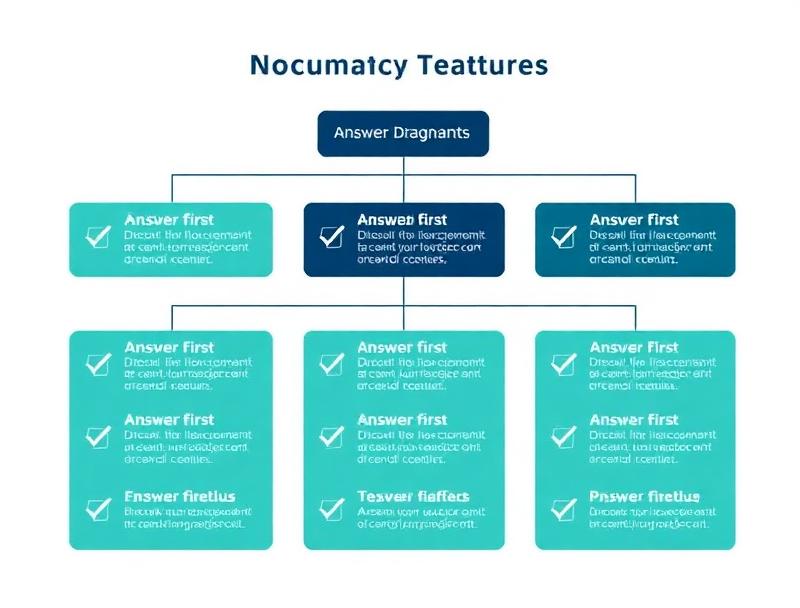
LLMs are lazy. They prefer content that is easy to summarize. Stop hiding your main point.
Use Answer Capsules: immediately follow every H2 header with a direct, 50-word definition before expanding into details. If you answer the user's intent instantly, the AI is more likely to cite you as the source.
2. Optimize for "Entity Density"

Search engines used to look for keywords; AI models look for Entities (Concepts, Brands, People).
Ensure your "About Us" page clearly defines who you are using simple, factual language. If the AI doesn't understand your entity, it won't recommend you.
3. The Power of "Quotable" Statistics
AI models prioritize sources that provide unique data points to back up claims. To get cited, you must be the source of the truth.
Publish original benchmarks or industry stats. When ChatGPT needs to prove a point, it will link to the data source.
4. Technical GEO: The llms.txt File
Just as robots.txt tells Google where to go, a proposed standard called llms.txt helps AI crawlers find your most important content.
Create a simple text file listing your top 10 most valuable guides and link to it from your footer.
5. Measuring Success: Share of Model (SoM)
You can't track clicks easily in zero-click environments, so you must track mentions. This is called "Share of Model".
Doing this manually is impossible.
Don't Fly Blind in the Age of AI
Llumos automates this entire process, scanning ChatGPT, Gemini, and Perplexity daily to give you a visibility score. See exactly how often AI recommends your brand—and your competitors.
Check Your Free Llumos Score